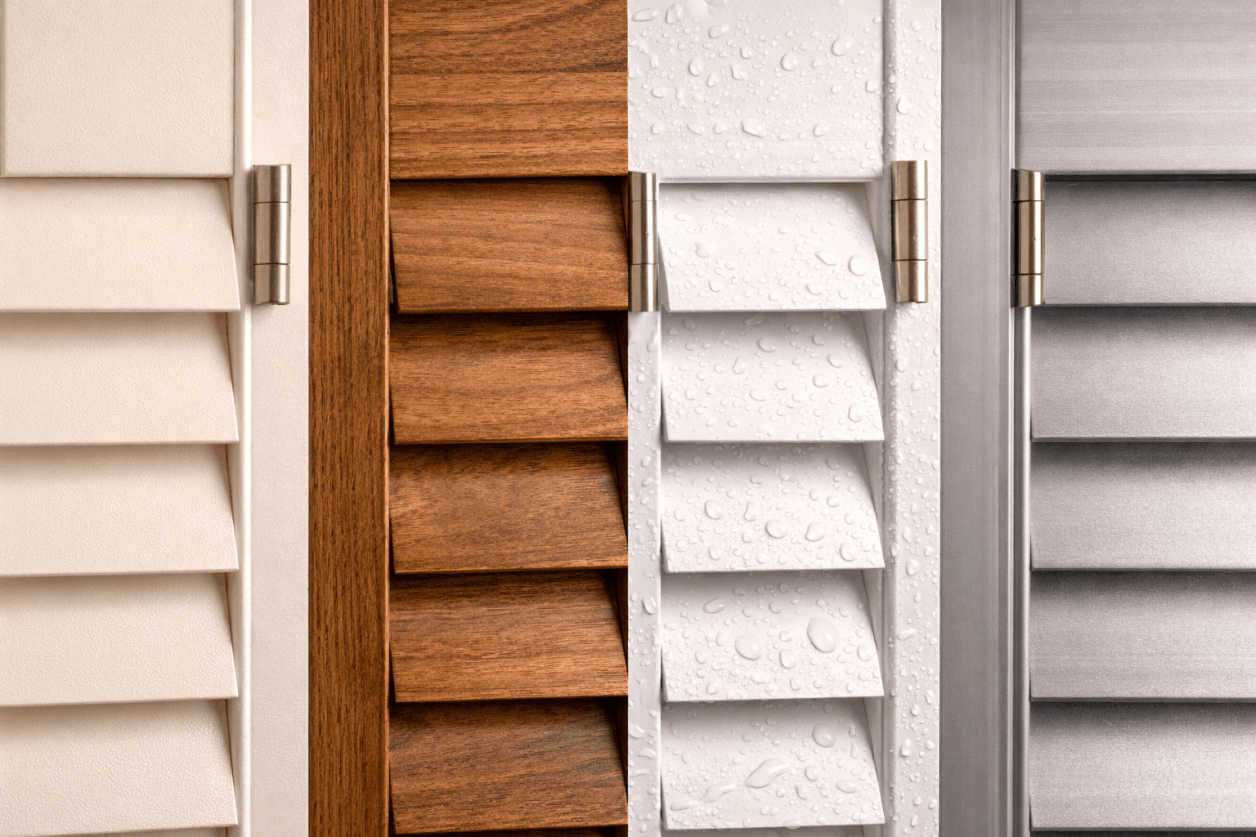
Choosing the right shutter material is one of the most important decisions when investing in interior shutters. The material you select directly affects durability, performance, appearance and long-term value.
Each material has its own strengths and is better suited to specific rooms and conditions. In this guide, we explain the differences clearly and help you choose the best solution for your home.
✔ Long-lasting durability
✔ Easy maintenance
✔ Resistance to moisture and temperature changes
✔ Structural stability over time
✔ A refined, consistent appearance
✖ Warping or structural movement
✖ Moisture damage in humid environments
✖ Faster wear and tear
✖ Unnecessary repair or replacement costs
MDF shutters are manufactured from Medium Density Fibreboard (MDF), an engineered wood product made by compressing fine wood fibres under high pressure. This creates a smooth, dense and stable panel surface that is ideal for painted finishes.
Thanks to its uniform structure, MDF provides a clean, modern appearance and consistent colour coverage.
Advantages
✔ More affordable than solid hardwood
✔ Smooth, even painted finish
✔ Wide range of colour options
✔ Stable in dry indoor environments
Considerations
✖ Not suitable for high-humidity areas such as bathrooms
✖ Heavier than natural wood
✖ May not offer the same premium feel as solid hardwood
Best suited for
• Living rooms
• Bedrooms
• Home offices
• Children’s rooms
• Hallways
➡ MDF shutters are a practical choice for homeowners who want a refined look at a more accessible price point, particularly in dry interior spaces.
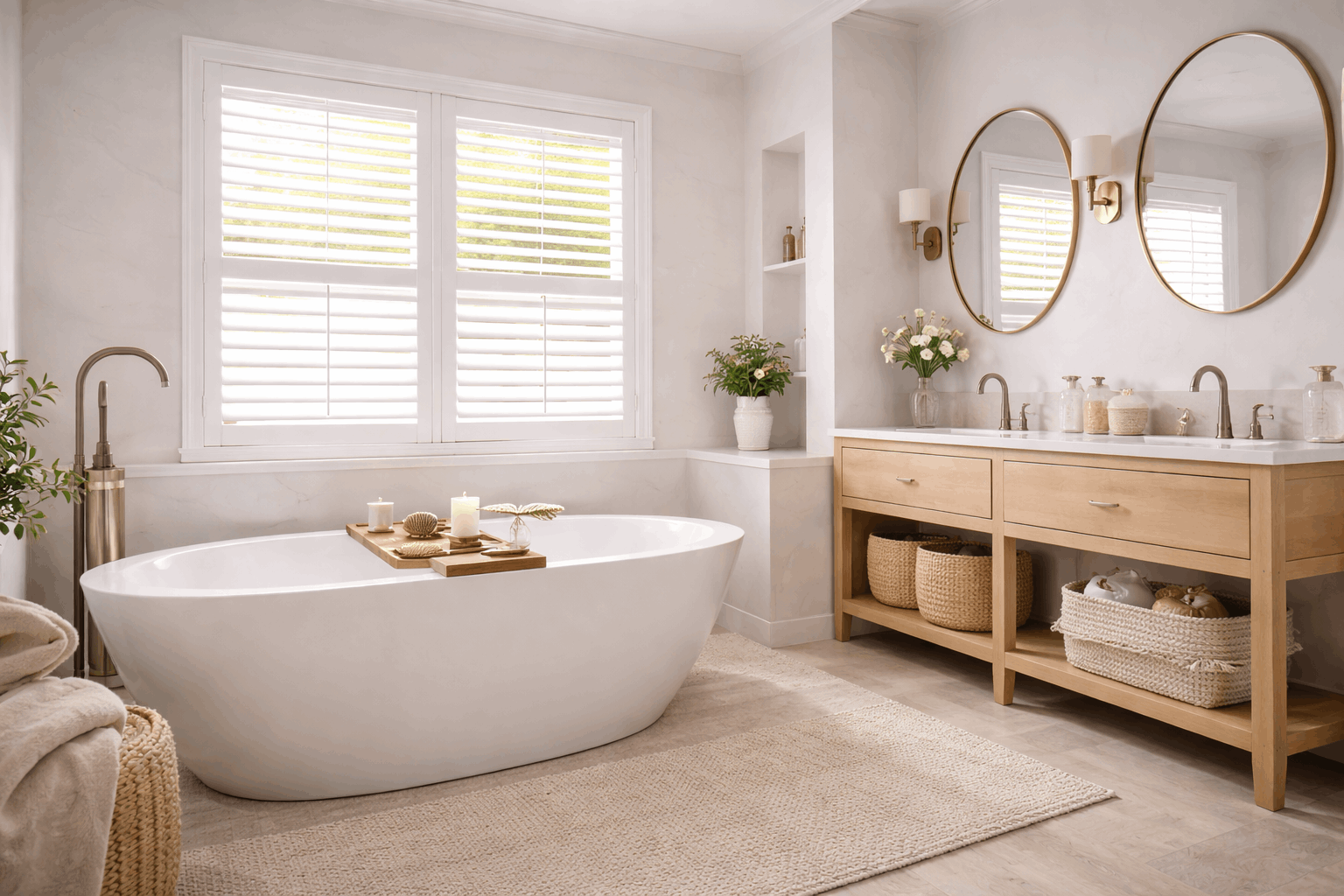
Composite shutters are manufactured from engineered materials specifically designed to withstand moisture and humidity. They typically feature a solid or reinforced core with a protective outer coating, making them highly resistant to water exposure.
Unlike traditional MDF or natural wood, composite shutters are developed for environments where temperature changes and humidity levels fluctuate.
Advantages
✔ Highly moisture-resistant
✔ Durable and structurally stable
✔ Easy to clean and maintain
✔ Suitable for humid environments
✔ Long lifespan when properly installed
Considerations
✖ Slightly higher price compared to MDF
✖ Heavier construction
✖ May not have the same natural texture as real wood
Best suited for
• Bathrooms
• Kitchens
• Utility rooms
• Laundry rooms
• Other high-humidity spaces
➡ Composite shutters are one of the safest choices for rooms exposed to moisture, where long-term durability is essential.
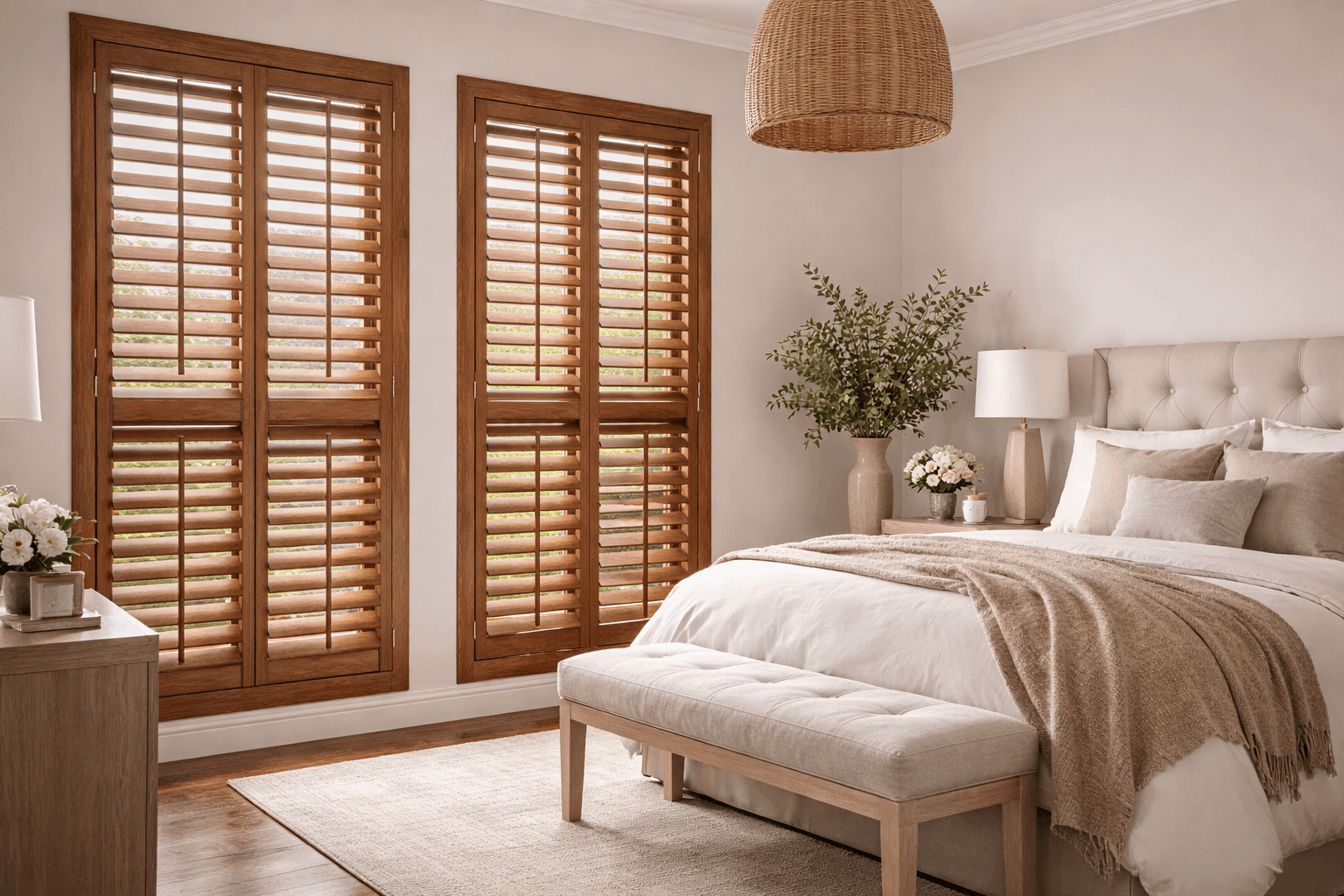
Wooden shutters are crafted from high-quality natural timber, offering a refined, warm and timeless appearance. The natural grain of real wood gives each shutter a unique character, making it a popular choice for homeowners seeking a premium interior finish.
Solid wood shutters are known for their strength, elegant proportions and authentic feel — qualities that engineered materials cannot fully replicate.
Advantages
✔ Natural, authentic material
✔ Distinctive wood grain and premium finish
✔ Lightweight yet strong construction
✔ Excellent structural stability for larger panels
✔ Timeless aesthetic appeal
Considerations
✖ Higher initial investment
✖ Not recommended for high-humidity environments
✖ Requires appropriate room conditions for long-term stability
Best suited for
• Living rooms
• Bedrooms
• Bay windows
• Feature windows
• High-end or traditional interiors
➡ Wooden shutters are the preferred choice for homeowners who value craftsmanship, authenticity and long-term visual appeal.
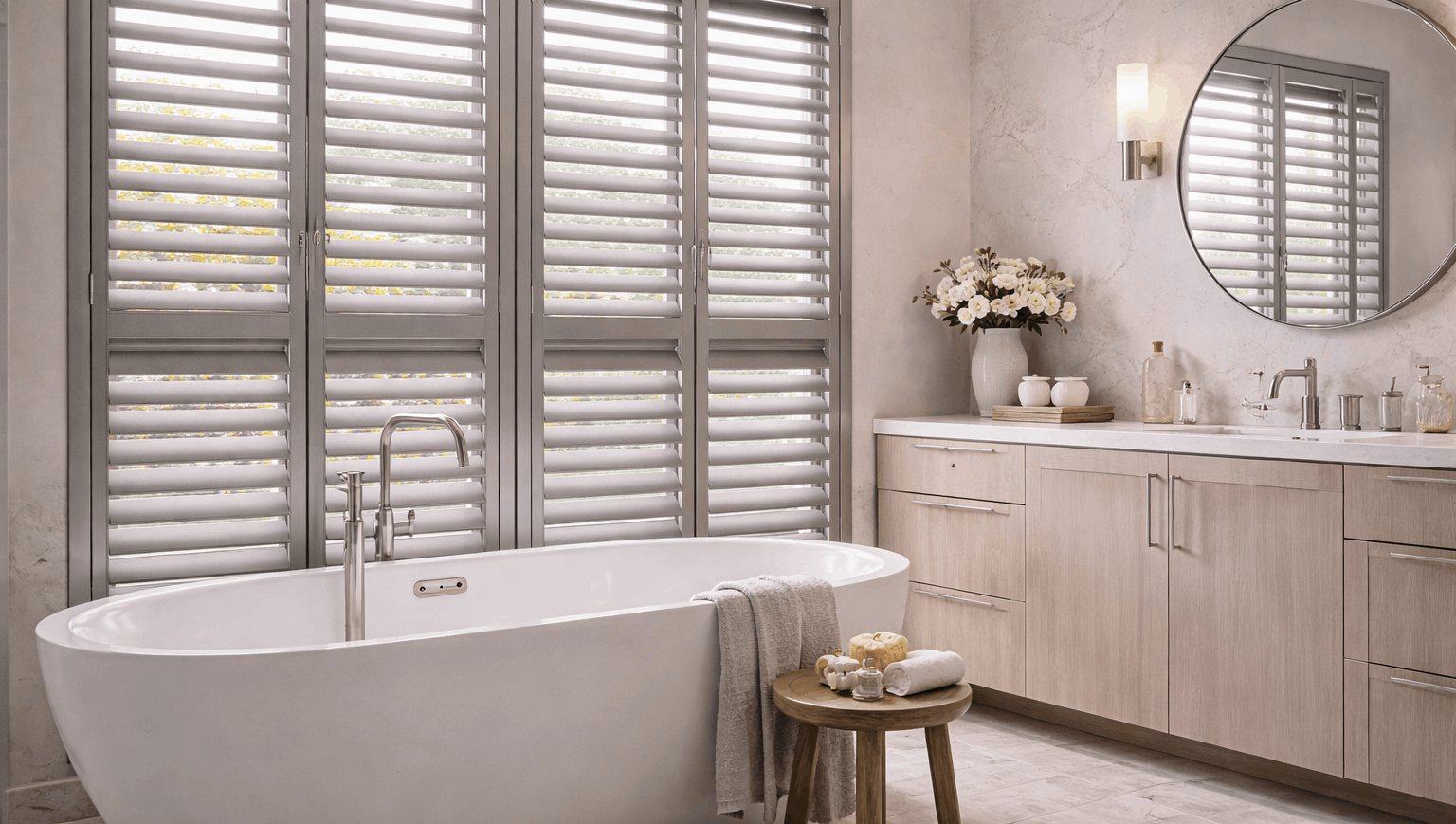
Aluminium shutters are manufactured from durable, lightweight metal, offering exceptional strength and long-term stability. Their clean lines and contemporary appearance make them particularly suited to modern interiors and large glazed openings.
Unlike traditional timber or MDF shutters, aluminium provides enhanced structural integrity, making it a practical solution for wider panels and frequently used spaces.
Advantages
✔ Exceptional strength and durability
✔ Sleek, modern aesthetic
✔ Low maintenance
✔ Suitable for larger openings
✔ Long lifespan
Considerations
✖ Higher initial investment
✖ Less traditional or “warm” appearance compared to wood
✖ Not always suited to classic interior styles
Best suited for
• Contemporary interiors
• Commercial spaces
• Large sliding or glazed doors
• Minimalist design projects
➡ Aluminium shutters are ideal for projects where structural strength, durability and modern design are key priorities.
.
MDF – Lower price, moderate durability, not moisture-resistant, smooth painted finish, lifespan approx. 10–15 years.
Composite – Mid-range price, high durability, moisture-resistant construction, modern finish, lifespan approx. 15–25 years.
Wood – Higher price, strong structural durability, not recommended for high humidity, natural premium appearance, lifespan approx. 20–30 years.
Aluminium – Higher price, very high durability, excellent moisture resistance, sleek contemporary look, lifespan approx. 20–25+ years.
When selecting a shutter material, consider:
✔ The type of room
✔ Humidity levels
✔ Interior style
✔ Your budget
✔ Expected lifespan
Recommended Material by Room Type
• Bathroom → Composite
• Kitchen → Composite (or MDF if humidity is low)
• Living Room → MDF or Wood
• Bedroom → MDF or Wood (Blackout options available)
• Home Office → MDF or Aluminium
✖ Choosing based on price alone
✖ Ignoring room humidity levels
✖ Selecting the wrong style for the space
✖ Overlooking material quality
👉 Learn more about Common Mistakes When Choosing Shutters
✔ Carefully selected, proven materials
✔ Trusted and certified manufacturers
✔ Long-term warranty
✔ Professional advice and guidance
✔ Precise measurement
✔ Made-to-measure production
Composite shutters are specifically designed to withstand moisture and humidity. They are highly moisture-resistant and suitable for bathrooms, kitchens and other humid spaces. However, proper installation and ventilation are still important for long-term performance.
Aluminium and solid wood shutters typically offer the longest lifespan when properly installed and maintained. Composite shutters also provide excellent durability, especially in humid environments.
Yes, MDF shutters are durable in dry indoor environments. They offer good stability and a smooth painted finish. However, they are not recommended for rooms with high humidity.
Aluminium and composite shutters require minimal maintenance. In most cases, occasional dusting and wiping with a damp cloth is sufficient. Wooden shutters may require slightly more care depending on room conditions.
Wooden shutters provide a more natural and premium finish, while MDF shutters offer a more cost-effective solution with a smooth painted appearance. The best choice depends on your budget, room type and design preference.
MDF shutters can be suitable for kitchens with normal humidity levels. However, for areas exposed to higher moisture, composite shutters are generally the safer option.
Not sure which material is right for your home? We’ll help you make a confident, informed decision.
Offline Website Creator